The Secret Ingredients Behind a Memorable Pizza Restaurant
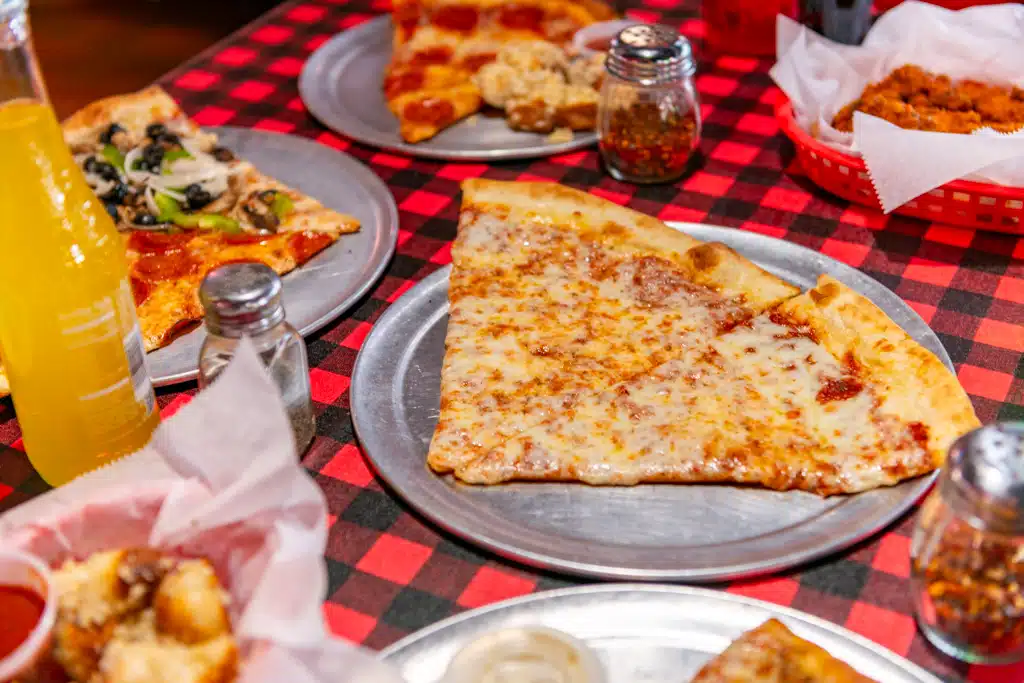

A memorable pizza restaurant is rarely built on dough alone. Great crust matters, of course. So does sauce, cheese, heat, and timing. But the places people talk about years later usually get a deeper set of decisions right. They understand that pizza is both simple and unforgiving. It asks for restraint, consistency, and a sharp sense of what guests actually remember when they leave.
People often think the best pizza restaurant wins by having a secret recipe. In practice, the secret is usually a chain of disciplined choices that the customer barely notices. The flour may be carefully selected, the fermentation time closely managed, the oven calibrated within a narrow range, the dining room tuned for comfort rather than trendiness, and the service trained to feel effortless even during a rush. None of those elements work alone. Together, they create the feeling that a place knows exactly what it is doing.
That feeling is the real product. Pizza is widely available, which means expectations are high and patience is limited. A guest can forgive an expensive entrée more easily than a disappointing pie, because pizza feels familiar. People know when the crust is underproofed, even if they do not use that word. They sense when the sauce is too sweet, when the mozzarella floods the center, when the oven lacks the heat to develop proper color before the toppings dry out. They may not speak like bakers, but they know what satisfaction feels like.
A clear point of view on the plate
The most memorable restaurants tend to have a point of view that is easy to taste. That does not mean being extreme or precious. It means the menu reflects conviction. A restaurant should know whether it is aiming for a blistered Neapolitan pie with a tender center, a crisp New York style slice with foldable structure, a tavern pie cut into squares, or a pan pizza with caramelized edges and richer dough. Problems start when a place tries to be all of them at once.
A focused style shapes every operational choice. Dough hydration, proofing schedule, flour strength, oven type, bake time, and topping load all depend on that decision. A wood-fired oven and a deck oven can both produce excellent pizza, but they reward different techniques. High heat can create beautiful leopard spotting and dramatic oven spring, yet it also leaves less room for error. Lower temperatures can deliver a more even bake and smoother service pacing, but the dough and toppings must be designed for that environment.
Guests may never ask which flour was used or whether the dough cold fermented for 48 or 72 hours. They do notice whether the crust has character. They remember chew, aroma, and balance. They remember whether a second slice felt inviting or heavy. A restaurant that understands its own style avoids unnecessary clutter and lets the pizza speak in a coherent voice.
Dough is not an ingredient, it is a system
The heart of any pizza restaurant is dough management. Not dough recipe, dough management. Plenty of kitchens have respectable formulas on paper. Fewer run them with consistency through changing humidity, fluctuating demand, staffing gaps, and the small timing errors that pile up over service.
A memorable pizza restaurant treats dough like a living schedule. Mixing is only the beginning. Temperature after mixing affects fermentation speed. Ball size affects bake behavior and portion cost. Storage setup affects how evenly trays proof. Time out of refrigeration matters just as much as time inside it. One extra hour on a warm line can turn a promising dough ball slack and sticky. Pull it too early, and the crust bakes dense and pale.
Experienced operators obsess over these details because they know the guest can taste yesterday’s shortcut. In many kitchens, the difference between a good Friday night and a bad one starts long before the doors open. It starts with whether the prep team scaled accurately, whether the dough room ran too warm, whether the backup trays were labeled properly, whether the staff knew when to stop stretching balls that had gone past their ideal point.
That may sound technical, but the result is emotional. A well-managed dough produces confidence. The pizzaiolo opens each skin with less force, preserves more gas in the rim, and can work faster without becoming sloppy. The oven team gets a product that behaves predictably. The dining room gets pies that arrive with the same shape, color, and structure from the first table to the last. Guests feel that consistency, even if they never see the labor behind it.
Sauce and cheese reward restraint
Many disappointing pizzas fail because someone could not leave well enough alone. Sauce is often over-seasoned in an attempt to create impact. Cheese is piled on as if abundance were the same as generosity. Toppings become so heavy that they steam the crust and erase contrast. Memorable pizza restaurants understand that pizza depends on proportion more than extravagance.
A good tomato sauce does not need to shout. In many cases, the best version is lightly seasoned or barely seasoned at all, especially when using quality canned tomatoes with sound acidity and natural sweetness. Sauce should support the dough, not bury it. Too much oregano, garlic, sugar, or salt can flatten the fresh, bright notes that make pizza taste alive.
Cheese presents a similar challenge. Low-moisture mozzarella behaves differently from fresh mozzarella. Blend choices matter. Distribution matters even more. Uneven application can leave one slice greasy and another dry. Excess cheese can seem appealing in a photograph but often compromises bake quality. It delays browning, releases water, and dulls the contrast between crust, sauce, and topping. The best pies leave space for each component to register clearly.
This is where professional judgment separates itself from enthusiasm. A cook may think more equals better. An operator learns that enough is enough, and often slightly less is better. Guests do not remember the heaviest pie. They remember the one that stayed crisp to the last bite.
Heat is flavor
Oven performance is one of the least visible but most important differences between an average pizza restaurant and a memorable one. Heat is not just a utility. It is a flavor tool. It drives browning, blistering, moisture loss, and texture development. A pizza baked in a sluggish oven might emerge technically cooked, yet still taste flat because the crust never developed the deep toasted notes that create complexity.
Different ovens create different strengths. Wood-fired ovens deliver drama and speed, though they demand constant attention and can produce wider variation from pie to pie. Gas deck ovens offer steadier control and can excel at consistency during heavy service. Electric ovens, once dismissed too casually by traditionalists, can produce excellent results when properly matched with the dough and workflow. The point is not romance. The point is control.
Control becomes especially important at volume. A pizza restaurant may look excellent when the dining room is half full and the oven deck is clear. The true test comes when ten tickets hit at once, the phone rings for takeout, a delivery app injects more orders, and the oven team has to maintain standards under pressure. Heat recovery, deck space, launch sequencing, and finishing technique suddenly matter a great deal. Great restaurants prepare for the rush rather than hoping talent alone will carry them through it.
The menu should protect the pizza
A menu can either sharpen a restaurant’s identity or dilute it. Many operators learn this the hard way. Early on, there is a temptation to add more. More toppings, more appetizers, more salads, more sandwiches, more desserts, more custom options. Some expansion makes sense. Too much creates drag.
The strongest pizza restaurants use the menu to reinforce what they do best. They offer enough variety to feel welcoming while protecting the kitchen from chaos. A compact topping set often performs better than an encyclopedic one, because ingredient quality stays higher, prep stays cleaner, and combinations remain intentional. There is a practical reason many excellent pizzerias feature a relatively short list of signature pies. It allows them to train better, execute faster, and reduce the number of weak sellers lingering at the edges of the menu.
Customization is another area that requires judgment. Guests love flexibility, but every substitution introduces complexity. A restaurant that says yes to every request may slow service and compromise its core product. A restaurant that says no too often can feel rigid. The memorable places set thoughtful boundaries. They make it easy to order, not exhausting.
One small but powerful detail is how the menu describes pizza. Vague naming and generic descriptions can make even good food feel forgettable. Specific language, used sparingly, helps guests understand what sets a pie apart. A roast mushroom pizza with fontina, thyme, and garlic cream tells a clearer story than something simply called “mushroom special.” Clarity sells, but more importantly, clarity sets expectations the kitchen can meet.
Hospitality that fits the food
A pizza restaurant occupies an interesting social space. For some guests, it is a quick Tuesday dinner with kids. For others, it is date night, a post-game ritual, or the first place they bring out-of-town friends. Because pizza lives comfortably across price points and occasions, service has to adapt without becoming inconsistent.
Memorable hospitality in this setting is usually warm, alert, and unpretentious. Guests do not need a lecture on fermentation unless they ask for one. They do need a host who acknowledges them quickly, a server who understands pacing, and a team that knows how to recover when the kitchen is delayed. The style can be casual, but it should never feel careless.
The best front-of-house teams know how to read a table. Some guests want guidance on style, crust texture, and portion size. Others just want to order a margherita and a salad without a speech. Good service respects both. One of the most common mistakes in growing restaurant groups is standardizing language until it sounds robotic. In a pizza restaurant, that can be especially damaging because the meal is often social and relaxed. Scripted warmth rarely lands as warmth.
There is also a practical side to service that shapes memory. Plates should arrive hot enough to matter. Slices should be easy to share. Extra napkins should appear before anyone asks when a pie with hot honey or chili oil hits the table. Water glasses should not sit empty during a spicy meal. These details seem small because they are small. That is exactly why they matter. Guests judge care through accumulation.
The room itself becomes part of the recipe
The physical space of a pizza restaurant influences perception more than many owners expect. Pizza has theater built into it. Dough stretching, flour dust, the flash of the oven, the board landing on a table, the first cut through a blistered crust, all of that creates anticipation. A room that highlights these moments can make a meal feel more vivid before the first bite.
Open kitchens often work well for pizza because the process is visual and energetic. Even a partial line of sight to the oven adds atmosphere. The smell of browning dough and tomato can do more persuasive work than any marketing copy. That said, visibility only helps if the kitchen is disciplined. A chaotic line visible to guests can quickly undermine confidence.
Sound matters too. Many restaurants get this wrong. A lively room is good for pizza. Deafening noise is not. Hard surfaces, bare ceilings, and packed tables can turn celebration into fatigue. If guests have to shout https://dallasprsp957.solsticebrief.com/posts/how-a-pizza-restaurant-keeps-traditional-recipes-alive through the meal, they tend to leave faster and remember the discomfort more than the food. Lighting matters in the same way. Too dim and the pizza loses its visual appeal. Too bright and the room feels transactional.
Then there is cleanliness, the most basic signal of professionalism. A spotless table edge, a clean restroom, flour that looks active rather than neglected, and an oven area that appears well maintained all communicate standards. People infer kitchen quality from what they can see. Often, they are right to do so.
Consistency beats occasional brilliance
Every restaurant can have a great night. The memorable ones produce very few bad nights. That is not glamorous, but it is the essence of loyalty. A guest who receives an excellent pizza once may return. A guest who receives an excellent pizza five times starts bringing other people.
Consistency depends on systems that some owners initially resist because they sound unromantic. Recipes by weight, not by feel. Dough labels with clear timestamps. Oven logs. Opening and closing checklists. Tasting protocols for sauce and cheese. Training on stretch diameter and topping placement. Waste tracking. Portion tools where appropriate. None of this reduces craft. It protects craft from avoidable variation.
There is a reason seasoned operators watch small deviations closely. A half ounce of extra cheese on each pie sounds trivial until margins shrink and bake times creep upward. A sauce ladle filled slightly too high can change moisture balance enough to soften the center. One distracted cut station can send out pies with uneven slices, which affects sharing and perception. Restaurant work is full of tiny multipliers.
A useful way to think about it is this:
- Signature comes from creative choices.
- Reputation comes from repeating them accurately.
That distinction matters because many owners focus heavily on the first and underestimate the second. Guests reward the second far more often.
Staff culture is visible in the food
If you spend enough time in restaurants, you can often sense staff culture in a pizza before anyone says a word. Tight teamwork shows up in smooth pacing and clean handoffs. Training shows up in even stretching, proper docking when needed, and thoughtful finishing. Burnout shows up too, in careless topping placement, delayed bakes, and the kind of rushed cutting that tears the crust instead of slicing through it.
A memorable pizza restaurant usually has a strong internal culture, even if the guest never sees it directly. New cooks are taught why the standard exists, not just what the standard is. Front-of-house staff taste the menu and learn the differences among pies. Managers step in during rushes rather than supervising from a distance. Mistakes are corrected quickly without turning the shift into a public autopsy.
Retention matters here more than many owners admit. Pizza can look simple from the outside, which leads some operators to treat labor as easily replaceable. It is not. A crew that has worked together for months develops rhythm. They know how one another moves, how the oven runs during humid weather, which dough batch feels slightly livelier than expected, and when to stagger fires so dine-in pies land at their best. That institutional memory becomes part of the product.
Value is not the same as low price
Price shapes expectations, but value shapes memory. Guests will pay more for pizza if the experience earns it. That does not mean every market supports premium pricing, and it certainly does not mean operators can ignore local competition. It means value has to be understood in context.
A neighborhood pizza restaurant may win on generous portions, quick service, and dependable quality at a fair price. A destination pizzeria may justify higher checks through ingredient sourcing, beverage program, atmosphere, and sharper culinary execution. Both can succeed if they are honest about what they offer. Problems emerge when pricing suggests one level of experience and the reality delivers another.
Packaging also affects value, especially for takeout and delivery. A beautiful pie can arrive limp if boxed poorly or held too long. Venting matters. Travel distance matters. Some styles handle transport better than others. Savvy operators design their off-premise business with this in mind instead of pretending every pie eats equally well twenty minutes later. In some cases, limiting delivery radius does more for reputation than expanding reach.
The little things people tell their friends about
When guests recommend a pizza restaurant, they often talk in shorthand. They mention the crust, obviously, but they also mention the char on the edge, the pepperoni cups, the honey drizzle that actually works, the crisp bottom that holds up, the server who steered them right, the open kitchen, the smell near the oven, the fact that the house red was better than expected, the kid’s dough ball handed over to keep a family happy for ten minutes. Memorable restaurants create a lot of these moments without trying to manufacture all of them.
Some of those details can be designed. Others emerge from standards and personality. The trick is to avoid chasing gimmicks. A novelty may drive traffic once. Repeat business comes from a place that feels distinct and dependable. This is particularly true in pizza, where trends can spread fast and fade faster. Stuffed crust reinventions, overloaded topping stunts, social media theatrics, all of these can create noise. They rarely build lasting affection on their own.
What lasts is harder to fake. It is the confidence of a menu that knows itself, the discipline of a kitchen that respects fermentation and heat, the restraint to stop before excess, and the hospitality to make people feel comfortable returning. That is the real secret behind a memorable pizza restaurant. Not one hidden ingredient, but a hundred visible choices executed so well they feel effortless.