Island Cooking at Its Best With Jamaican Food
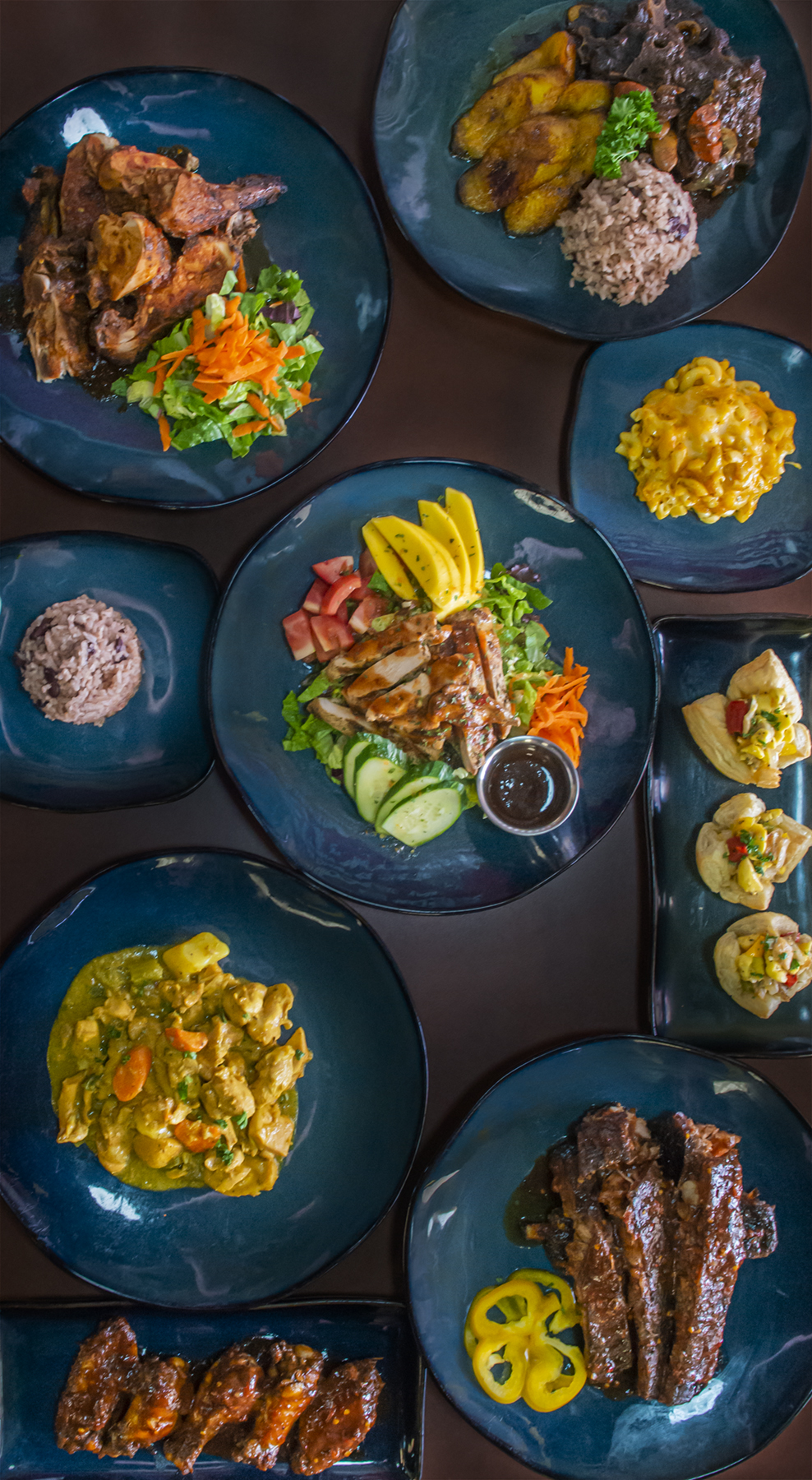

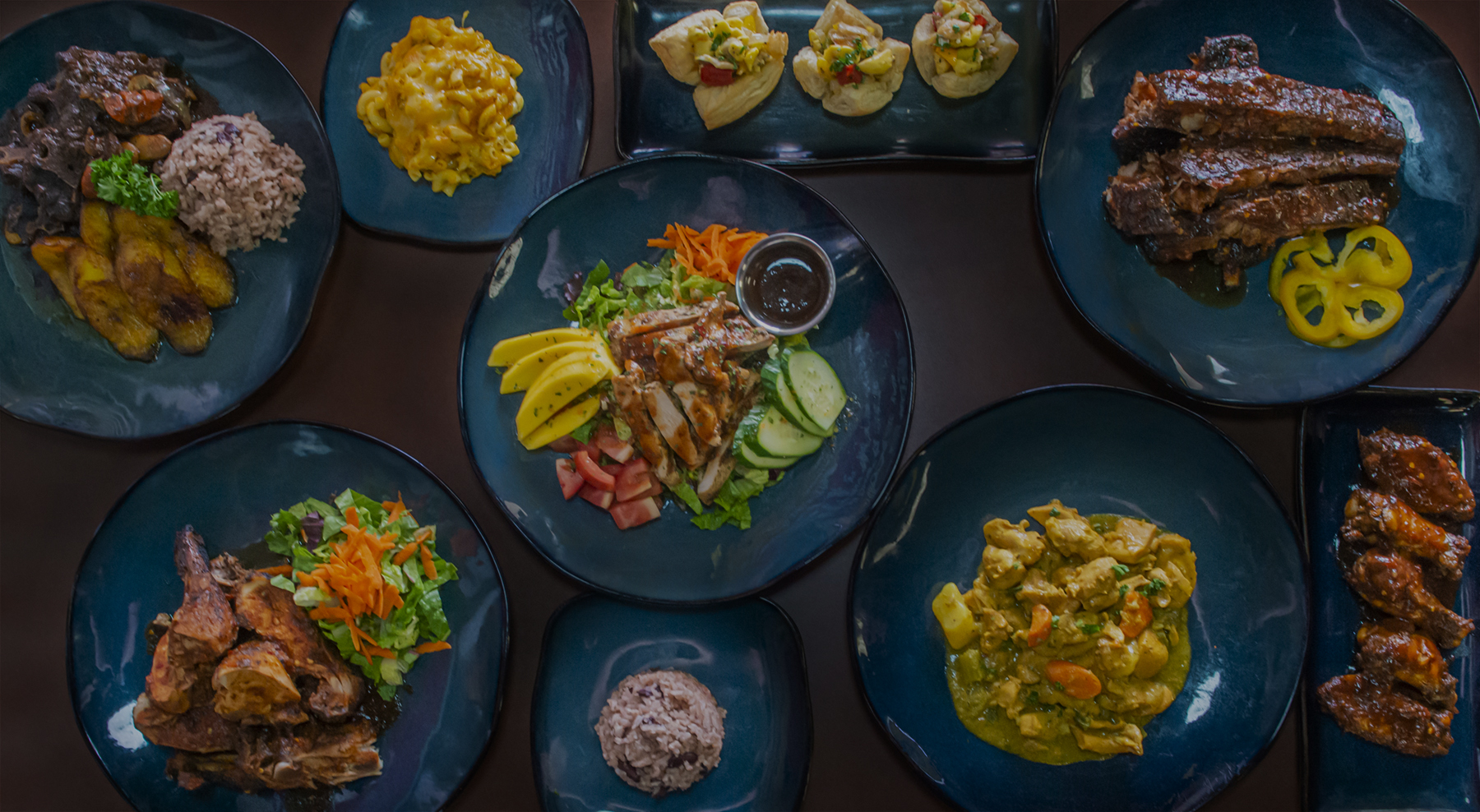
Jamaican food has a way of announcing itself before it reaches the table. You smell the smoke first, then the thyme, the scallion, the Scotch bonnet, the sweet edge of caramelized sugar, and the deep savory pull of meat or fish meeting flame. Even a simple plate can carry extraordinary range, from heat and sweetness to sharpness, earthiness, and a lingering warmth that stays long after the last bite.
That intensity is not accidental. Jamaican cooking is one of the clearest examples of how geography, history, necessity, and creativity can shape a cuisine into something unmistakable. It is island cooking in the fullest sense, built from tropical produce, seafood, preservation methods, hard labor, trade routes, memory, and celebration. A proper Jamaican meal does not feel designed in a test kitchen. It feels lived in.
Anyone who has spent time around Jamaican home cooks, market stalls, roadside jerk pans, or family gatherings quickly learns that the cuisine rewards patience and confidence. Marinades are rarely timid. Stews are not rushed. Spice is not there to prove a point, but to balance sweetness, fat, starch, and smoke. This is food made to satisfy, to stretch ingredients wisely, and to bring people back for seconds.
What makes Jamaican cooking distinct
Many cuisines use chile, allspice, onion, and fresh herbs. Jamaican food turns those familiar ingredients into something more layered because of how they are combined and handled. The seasoning is central. Green seasoning, jerk marinade, curry blends, escovitch pickling liquid, and stewing sauces all rely on a strong aromatic base. Scallion, thyme, garlic, ginger, onion, and Scotch bonnet appear often, but proportions matter. So does timing.
The island’s climate also shapes the plate. Breadfruit, plantain, cassava, coco, yam, ackee, mango, sorrel, and callaloo are not side notes. They are foundational ingredients. Coconut milk softens heat and adds body to stews. Saltfish reflects older preservation traditions but remains essential because it brings concentrated flavor and texture. Pimento, known elsewhere as allspice, is one of the defining signatures of Jamaican flavor, especially in jerk, where its warm clove-cinnamon-nutmeg notes sit behind the fire of the pepper.
Texture matters as much as seasoning. A good curry goat should be tender but not collapsed into mush. Rice and peas should be separate and fragrant, not wet. Fried plantain should have caramelized edges and a soft center. Festival should be crisp outside, fluffy inside, and just sweet enough to play against spicy fish or jerk meat. Jamaican cooks care about these details because each one changes the whole plate.
The roots are complex, and you can taste that history
Jamaican food is often described as a fusion cuisine, which is true but incomplete. Fusion can sound accidental or trendy. Jamaican cooking is neither. It is the result of centuries of cultural layering under difficult conditions. Indigenous Taino influence, West African foodways, British colonial habits, Spanish traces, Indian indentured labor, Chinese migration, and local adaptation all left marks on the kitchen.
You see West African continuity in one-pot cooking, starchy provisions, callaloo, peppery soups, and the use of salted fish. You see British influence in dishes like patties evolving alongside meat pies, and in a taste for puddings and baked goods. Indian influence appears in curry goat and curry chicken, yet the Jamaican versions are entirely their own, often brighter, hotter, and more herb-driven than many South Asian preparations. Chinese Jamaican cooking shaped everything from stir-fry techniques to takeout culture on the island. None of these influences stayed frozen. They were absorbed, adapted, and made local.
That matters because it explains why Jamaican food can feel both familiar and completely singular. A diner may recognize curry, fried fish, or braised oxtail, but the seasoning profile, starch pairings, and side dishes change the experience. The food belongs to Jamaica because it reflects Jamaican judgment, not just imported technique.
Jerk is more than a flavor
Outside Jamaica, jerk often gets flattened into a bottled sauce or a generic spicy label. On the island and in serious kitchens, jerk is a method, a seasoning philosophy, and in many ways a cultural shorthand for the power of Jamaican cooking.
Traditional jerk centers on meat seasoned heavily with pimento and Scotch bonnet, then cooked slowly over pimento wood or similar smoke. Pork is the classic expression, but chicken became widely popular because it is cheaper, quicker, and easier to serve in busy settings. A real jerk profile is hot, yes, but it also has sweetness, smoke, herbaceous lift, and a faint bitterness from char that keeps it from tasting one-dimensional.
The balance is delicate. Too much sugar and the meat burns before it cooks through. Too little salt and the spice tastes thin. Too much wet marinade on the surface and the exterior steams instead of charring. Good jerk cooks know how to manage heat zones, when to cover the meat, and how long to let it rest after cooking. That is why the best roadside jerk often outperforms restaurant versions. The cook has repeated the process so many times that instinct takes over.
A memorable plate of jerk chicken usually arrives chopped into rough pieces, juices running into the foil pan, with bread or festival on the side and maybe a stripe of sauce for extra heat. It is messy food, unapologetically so. That is part of the point.
The everyday greatness of rice and peas, callaloo, and provisions
Visitors often focus on headline dishes like jerk, curry goat, or oxtail, but the true measure of Jamaican food is often found in the supporting cast. Rice and peas, for example, can reveal whether a cook understands proportion and patience. In Jamaica, this dish commonly uses kidney beans or gungo peas simmered with coconut milk, thyme, scallion, and spices, then cooked with rice until fragrant and fluffy. It should support the main item while holding its own.
Callaloo plays a similar role. Depending on the kitchen, it may be sautéed with onion, tomato, thyme, garlic, and Scotch bonnet, sometimes with saltfish. It can be silky or more rustic, but it should taste green in the best sense, fresh and mineral-rich, not overcooked into anonymity. Callaloo offers relief against heavier meats and starches, which is why a plate feels more complete with it.
Then there are the provisions, a term that says a great deal about Caribbean eating. Boiled green banana, yam, dumpling, breadfruit, and coco are not filler. They are satisfying, practical foods that make a meal durable. Jamaican cooking understands satiety in a way some modern menus have forgotten. A breakfast with ackee and saltfish, fried dumpling, boiled green banana, and maybe a slice of ripe plantain is designed to carry someone through real work, not just photograph well.
Ackee and saltfish, the national dish for good reason
Few dishes explain Jamaican taste better than ackee and saltfish. Ackee, when properly prepared, has a soft texture often compared to scrambled egg, though the flavor is more delicate and buttery. Saltfish brings salinity and chew. Add onion, tomato, scallion, thyme, black pepper, and Scotch bonnet, and the dish becomes a study in contrast that somehow feels perfectly natural.
What outsiders sometimes miss is how restrained the seasoning should be. Ackee is subtle. If a cook overloads the pan with too much spice or cooks it too aggressively, the dish loses its elegance. The best versions keep the ackee intact, lightly folded through the aromatics and fish, so each spoonful gives you creaminess, salt, sweetness from tomato, and a flicker of heat.
Served with roast breadfruit, boiled dumpling, or fried plantain, ackee and saltfish shows that Jamaican food can be nuanced as well as bold. It is not always shouting. Sometimes it speaks in lower tones.
Why Jamaican patties became global ambassadors
No discussion of Jamaican food feels complete without the patty. It is portable, affordable, filling, and deeply tied to everyday life. In Jamaica, patties sit at the intersection of bakery culture, street food, and comfort food. Their turmeric-tinged pastry shell, often flaky and slightly crisp, wraps around fillings such as spiced beef, chicken, vegetables, or saltfish.
A good patty depends on engineering as much as flavor. The crust must hold together but shatter a little when bitten. The filling needs enough moisture to feel rich, but not so much that the pastry goes soggy. Seasoning must be assertive because the crust is relatively bland compared with the center. Cheese, coco bread, and spicy condiments often enter the equation, especially when someone wants a more substantial snack.
Patties have traveled well because they fit modern eating habits. They can be eaten quickly, sold widely, and customized easily. Yet their appeal is not just convenience. A proper Jamaican patty carries the same seasoning logic as a larger meal. It aims for punch, warmth, and satisfaction.
Seafood gets treated with both force and finesse
Island cooking lives or dies by its relationship to the sea, and Jamaican kitchens have long known how to handle fish and shellfish without masking their character. Escovitch fish is one of the finest examples. Typically, a whole fish is fried until the skin is crisp, then topped with a sharp, hot dressing of vinegar, onions, carrots, pimento berries, and Scotch bonnet. The result is bright, spicy, and deeply appetizing.
This dish works because of timing. The fish must be fried hard enough to stay crisp under the pickled topping for at least a little while. The escovitch mixture should be pungent but not raw to the point of harshness. Some cooks soften the vegetables slightly, others keep more crunch. Both approaches can work, but the acid needs to wake up the fish rather than drown it.
Pepper shrimp, steamed fish, rundown, and curried seafood all show different sides of Jamaican technique. Rundown, in particular, deserves more attention. Traditionally built around fish simmered in reduced coconut milk with herbs and seasonings, it produces a rich, almost concentrated sauce with remarkable depth. It is proof that Jamaican food is not only about fire and smoke. It also understands slow reduction and subtle layering.
Meat dishes that reward patience
If jerk is the cuisine’s extrovert, braised dishes like oxtail and curry goat are its slow-burning masterpieces. Oxtail, when done right, is glossy, dark, and sticky with gelatin, the meat yielding but not stringy. Beans often appear in the pot, adding texture and making the sauce feel even more substantial. The seasoning leans sweet-savory, with browning, onion, garlic, thyme, and pepper doing much of the heavy lifting.
Oxtail is expensive now, which changes how often many families cook it. That has become one of the practical realities of preserving traditional dishes. What was once a humble cut transformed by time has become a premium item in many markets abroad. Still, cooks continue to make it for gatherings because it feels generous and celebratory.
Curry goat presents a different challenge. Goat can toughen quickly if rushed, and its flavor varies with age and cut. The best versions start with a proper marinade and enough time for the spices to settle in. During cooking, the curry should toast and bloom, but not scorch. Potatoes may be added in some homes, though opinions vary. Either way, the finished dish should taste rounded and deep, with enough heat to cut the richness.
Brown stew chicken may be less glamorous than oxtail, but in many kitchens it is the workhorse favorite. Fried or seared chicken is simmered in a sauce built from caramelized sugar, vegetables, stock, and seasoning. When balanced well, it delivers sweetness, savory depth, and peppery brightness in a way that feels instantly comforting.
The role of heat, and the mistakes people make with Scotch bonnet
No ingredient in Jamaican food is more misunderstood than Scotch bonnet pepper. People often reduce it to a warning label, as if its main job is punishment. In skilled hands, Scotch bonnet is aromatic first and hot second. It carries fruity, floral notes that shape a dish even when used sparingly.
One common mistake is chopping too much pepper directly into a dish without considering who will eat it or what else is on the plate. Another is removing pepper entirely out of caution, which strips away a key dimension. Many Jamaican cooks solve this by adding whole or pierced peppers to soups and stews, letting the heat infuse gradually. That method gives control and preserves flavor.
For cooks working outside Jamaica, pepper heat can vary dramatically depending on source and season. A market Scotch bonnet in summer may be far hotter than one bought in winter from a general supermarket. That is why exact measurements only go so far. Sensory judgment matters more than strict formulas.
The sweetness, the drinks, and the finish to the meal
Savory dishes get most of the attention, but Jamaican food culture includes a strong sweet side. Rum cake, sweet potato pudding, gizzada, toto, banana fritters, and grater cake all speak to a tradition of making satisfying desserts from local staples. Sweet potato pudding, especially, shows the island’s talent for https://cesarbquw752.laurelcurrent.com/posts/jamaican-food-recipes-for-busy-weeknight-cooking texture. It can be dense, custardy, spiced, and deeply fragrant with coconut, ginger, and nutmeg.
Drinks belong in the conversation too. Sorrel at Christmas, ginger beer with real bite, peanut punch, Irish moss, and fresh juices all support the cuisine’s broader flavor profile. They are not random refreshments. They echo the same priorities found in the food, intensity, spice, sweetness, and body.
One of the most effective pairings in the whole cuisine is a spicy main dish with something sweet or cooling on the side. It does not need to be elaborate. A fried ripe plantain or a cold drink can reset the palate enough to make the next bite feel as good as the first.
Cooking Jamaican food well outside Jamaica
Many home cooks want the flavors of Jamaican food but run into ingredient and equipment limits. Pimento wood is difficult to source in many countries. Fresh ackee is often unavailable. Certain yams are replaced with sweet potatoes or other roots that behave differently. Even scallions can vary in intensity depending on region.
That does not mean the food is out of reach. It means a cook has to understand which substitutions are harmless and which ones alter the identity of the dish. Using habanero in place of Scotch bonnet is usually acceptable, though the aroma differs. Replacing fresh thyme with dried in a pinch can work, but the result loses brightness. Swapping coconut milk brands can change the body of rice and peas more than most people expect. Some canned coconut milks are thin, others heavily stabilized, and the difference shows up in the final pot.
A few principles make the biggest difference:
- Season in layers, not just at the end.
- Give marinades time, especially for jerk and curry.
- Let browning develop properly before adding liquid.
- Protect the balance of heat, sweetness, and salt.
- Pair mains with the right starches and sides.
These are not rigid rules, but they capture the underlying logic of the cuisine. Jamaican food rewards cooks who trust aroma, color, and texture as much as recipes.
What a strong Jamaican meal feels like
At its best, Jamaican food gives more than flavor. It gives structure to a meal. There is usually contrast on the plate, something soft beside something crisp, something hot beside something cooling, something rich checked by acid or herbs. Even the heavier dishes rarely feel careless when cooked well.
A plate of escovitch fish with festival and bammy lands differently from a bowl of mannish water or a Sunday spread of rice and peas, stewed meat, and vegetables, but each meal carries the same confidence. The cooking knows what it is trying to do. That directness is part of the cuisine’s appeal.
There is also a social dimension that should not be ignored. Jamaican food is rarely at its best in sterile conditions. It thrives in gatherings, in takeout boxes passed through car windows, in kitchen counters lined with side dishes, in beach settings with smoke in the air, in family events where recipes are adjusted by memory rather than measuring spoons. Technique matters, but so does context. Some foods simply taste more complete when they arrive with noise, conversation, and appetite.
Why the cuisine keeps winning people over
Plenty of regional cuisines travel well, but Jamaican food has a particular way of hooking people. The flavors are vivid enough to be memorable after one meal, yet complex enough to reward repeat visits. Someone may arrive for jerk and stay for curry goat, then come back for patties, then discover callaloo, then start debating the best side for ackee and saltfish. The cuisine opens outward.
It also resists simplification. That is one reason professionals respect it. Jamaican food is often marketed through a few recognizable dishes, but the deeper you go, the more precision you find. Soup traditions, breakfast combinations, sweets, seafood preparations, and regional habits all deserve more attention than they usually get. Even two versions of the same dish can differ sharply from one household to another, and both can be valid.
For cooks, that makes Jamaican food exciting. For diners, it makes the cuisine generous. There is always another layer to notice, whether it is the floral note of pimento in jerk, the clean bitterness of callaloo, the careful softness of ackee, or the way a spoonful of rice and peas can anchor an entire plate.
Island cooking reaches its peak when it transforms local ingredients into food that feels both practical and celebratory. Jamaican food does that with uncommon skill. It is bold without being crude, comforting without becoming dull, and rooted in tradition without feeling stuck in the past. That combination is rare, and once you have tasted it done properly, it is hard to forget.
Reggae Pot Jamaican Grill
7562 S University Blvd C, Centennial, CO 80122
(303) 997-5623
FAQ About jamaican food
What is the best Jamaican food to try in Centennial?
The best choice depends on your preferences. Reggae Pot Jamaican Grill offers jerk chicken, curry goat, oxtail, and escovitch snapper, along with sides such as rice and peas and fried plantains. Ask the restaurant about current availability and spice levels before ordering.
Is Jamaican food very spicy in Centennial?
Heat varies by dish and preparation. Jerk dishes can be hot, while some stews and sides are milder. Tell the restaurant your preferred heat level and ask which options suit you.
What is typically on a Jamaican menu?
Common choices include jerk chicken, curries, oxtail, fish, patties, rice and peas, and plantains. Reggae Pot also lists ackee and saltfish and vegetable dishes. Menus and availability can change, so confirm your choices when ordering.